Being a Black Ally
After my last post, a couple people asked “What’s next?” for me and, I suppose, for them. There were several suggestions in the last post for action in our local communities and readings for educating ourselves. However, these times require a certain immediacy that was missing. I did some more digging and have taken these steps:
* I went to the Black Lives Matter website. I signed up to receive updates on Black Lives Matter Lansing events…
* …which offered more reading and a link to a related organization called One Love Global that focuses more on educating people on racial equity and how to achieve it…
* …and Sarah at One Love Global connected me to Emily D. on Facebook who organizes white allies at Black rallies. So, at this point, I am signed up to be a buffer between police and Blacks at rallies. After some prayer and reflection, I’m feeling drawn to that place. There are other aspects of being an ally which Emily’s post helped me understand.
* Another thing I did this past week was stay off Facebook (besides contacting Emily). I found it quite calming and centering. That allowed me more time for reading things like White Fragility, Furious Cool, Through a Lens Darkly, the current Sun Magazine, the book of James in the Bible and watching things like I am Not Your Negro on PBS,
Ronald Vinson’s powerful message, “Letter to Your Flag”
and these bird’s eye views of protests in the US and around world.

Part of me feels like I shouldn’t have to explain what I’m doing to get myself more informed and more active. However, I’ve come to realize that once I put my ideas out there, I make myself a target for criticism. So, I’m trying to be transparent, to be as clear as possible…
I continue to learn and as I do, I continue to realize how much I don’t know. But I continue to try to understand my privilege and how I can use it to better our society for my Black brothers and sisters in God’s world. I’m doing the best I can.
Resources
* Resources for children, families, and educators
* learning activities for teens and older folks
* Black Voters are Coming for Trump
* Me and White Supremacy book

What Can We Do To Fix This?
I’ve been avoiding looking at my privilege for a long time.
While I realize I’m a white male in a mostly white society, for most of my life I wasn’t aware of my privilege (which is part of the problem).
I usually fell into statements like…
I am fortunate.
My life is blessed.
Without looking too much beyond that.
When I think about race and racism, I feel stuck. I feel like nothing I say will change the mess of a system we now have. So why am I saying anything? Partly, it has to do with being a writer and an educator; through writing, I often come to understand my own thinking and I feel like I need to do that before I can share it or help others to understand their thinking. More importantly, though, is that I’m realizing that writing is not enough. The injustices in the world are calling out once again that it is time for action.
Below are two, recent Facebook posts (written by other people) that I hope you will ponder for more than a quick read. I have re-read them several times and they are both a call to action.
The second post was written by the parent of a former student; Sam Hosey is a man that I respect — an intelligent, involved and caring parent, whose opinion as a person and as a black man, I value.
#1
—
In America – because I am a human who happens to have white skin, I can do all of these things without thinking twice:
I can be arrested without fear of being murdered (#GeorgeFloyd)
I can go birding (#ChristianCooper)
I can go jogging (#AmaudArbery)
I can sleep in my own home (#BreonnaTaylor)
I can relax in the comfort of my own home (#BothemSean and #AtatianaJefferson)
I can ask for help after being in a car crash (#JonathanFerrell and #RenishaMcBride)
I can have a cellphone (#StephonClark)
I can leave a party to get to safety (#JordanEdwards)
I can play loud music (#JordanDavis)
I can sell CDs (#AltonSterling)
I can sleep (#AiyanaJones)
I can walk from the corner store (#MikeBrown)
I can play cops and robbers (#TamirRice)
I can go to church (#Charleston9)
I can walk home with Skittles (#TrayvonMartin)
I can hold a hair brush while leaving my own bachelor party (#SeanBell)
I can party on New Years (#OscarGrant)
I can get a normal traffic ticket (#SandraBland)
I can lawfully carry a weapon (#PhilandoCastile)
I can break down on a public road with car problems (#CoreyJones)
I can shop at Walmart (#JohnCrawford)
I can have a disabled vehicle (#TerrenceCrutcher)
I can read a book in my own car (#KeithScott)
I can be a 10yr old walking with our grandfather (#CliffordGlover)
I can decorate for a party (#ClaudeReese)
I can ask a cop a question (#RandyEvans)
I can cash a check in peace (#YvonneSmallwood)
I can take out my wallet (#AmadouDiallo)
I can run (#WalterScott)
I can breathe (#EricGarner)
I can live (#FreddieGray)
White privilege is real. Take a minute to consider a Black person’s experience today.
#BlackLivesMatter
THIS IS NOT A COMPREHENSIVE LIST. It goes deeper and longer and so many injustices never saw the light of day.
I did not write this…feel free to share it…
______________________________________________________________
#2
By Sam Hosey
Thank you to all of my friends, who happen to be white, (or non-black) that have spoken up and spoken out. Many of you are my childhood friends and former co-workers whom I love dearly and I know many of you feel the same. So what do we do next? That’s a question I get asked often. First, keep your eyes open for injustices, but also look beyond the blatant racist acts and look for disproportionate treatment in our institutions. Second, call out your friends, relatives and even employers on their biased habits. Here are some suggestions…(and ask what can you do to fix this?)
* Read the book “White Fragility”
* Ask why is my church predominately white?
* Ask why my company or department isn’t 14% black (percentage of black population) at every level (entry level to executives)?
* Ask why the nonprofit board I’m on is so white?
* How many black people are in my circle of actual friends that I can talk to and listen to?
* How many black teachers has my child had in school?
* How many black neighbors do I have?
* How many black people are city council members?
* How many black public servants are there in my community?
* How many black people have I helped groom professionally speaking?
* Ask why are most of my local news anchors white?
* Ask when the last time I saw a white person brutalized on the news vs. the last time I saw a black person brutalized?
* Ask why are nearly all owners of NFL and NBA sports franchises white but players about 75% black?
* Ask why are most university presidents white?
* Ask why are athletic directors and D1 football/basketball coaches white, but the players mostly black?
* Ask why do I have such a problem with black athletes — who come from disadvantaged economic backgrounds and generate billions for the NCAA and millions for the school — getting paid, but are okay with white coaches getting millions?
* Ask why is the hero or leading character in my favorite movie white?
* Ask what programs does my company sponsor to uplift the black population in our community?
* Ask why are the rankings of “best schools” and “best neighborhoods” and “best cities to live” are always predominantly white?
I could go on. To bridge these gaps it will take very specific and intentional steps from white people. Attend meetings for the city council, the school board, your HOA, your nonprofit, your church, your company’s hiring panel and call this stuff out. Challenge other people who are in charge to fix it. Recruit, start action-based diversity programs, be welcoming, call out injustice and the wrong we see. It won’t do much if a couple people do it, but if a few million do, then we can effect change pretty fast and we won’t have to see racist cops killing people anymore. Thanks for listening.❤️
If you want to watch/listen to something to help kick start you, peep this out…
________________________________________
Wrap up…in direct response to Dr. DiAngelo’s video…and the two posts from above —
I’m the white progressive Dr. DiAngelo is talking about in the above video. I see that now. I do feel that I have tried to inform myself on race issues to some extent: attending diversity trainings and taking implicit bias tests, reading many books by black authors, singing in a mixed race gospel choir, many relationships with people of color… I try to be informed…but no, I haven’t given years to “study, struggle, and focus” on this topic.
I’m aware that my understanding of racism is incredibly incomplete, and there is some discomfort in discussing it…but that’s where growth comes from.
One tries to be humble and vulnerable when one is learning.
Humility…saying one has it pretty much destroys credibility.
the uncomfortability of discussing racism
is where we grow
things fall apart
so that they can be pieced back
together together
to fall apart…
know that the falling apart
will be pieced back
together
Yes, I was raised to be racially illiterate. Being Armenian, I was taught to be proud of my ethnicity. Proud of our language, our food, our history, our struggle to persevere and survive genocide,
and that’s similar
but different,
narrow, limited
I’m not living in Turkey.
Maybe if I was an Armenian living in Turkey right now…
Racism is definitely a system.
I’m part of it. Not proud of that.
A part of it
Not
apart from it
Her re-framing of the Jackie Robinson story for truth (…”whites let him play”…) helps me. I need role models…for change. I keep going back to Sam’s list above and thinking about which ones to address first.
Aversive racism, as she describes it, fit me to a point; I don’t buy the notion that our places of work are mostly white because people of color don’t apply — I’ve seen racist policies in place going on there…but have I spoken up?
I need to use my freedoms, my privilege, to speak up and out to change our unjust system.
Here’s an excerpt from DiAngelo’s book to get you thinking…

continued…

Here are some other resources that have helped me on my continuing journey.
Resources
Begin with the video, above, then read the book…
White Fragility by Dr. Robin DiAngelo
Assertive Black…Puzzled White: A Black Perspective on Assertive Behavior by Donald K. Cheeck, Ph.D.
Furious Cool: Richard Pryor and the World That Made Him by David Henry and Joe Henry
The Race Card Project encourages people to condense their observations and experiences about race into one sentence with just Six Words.
Join the Earl Nelson Singers…we meet on Monday nights at 7 pm at Sexton High School in Lansing (when it’s safe to do so).
More Juggling Tips
My first juggling video is on this blog on April 19.
Just a reminder…you can receive an email every time I update my blog by leaving your email address in the Subscribe box on this page.
April – early May Photo Album

I’m a type 9 in the Enneagram world; this list fits my habits these days (it’s from the Working from Home video).
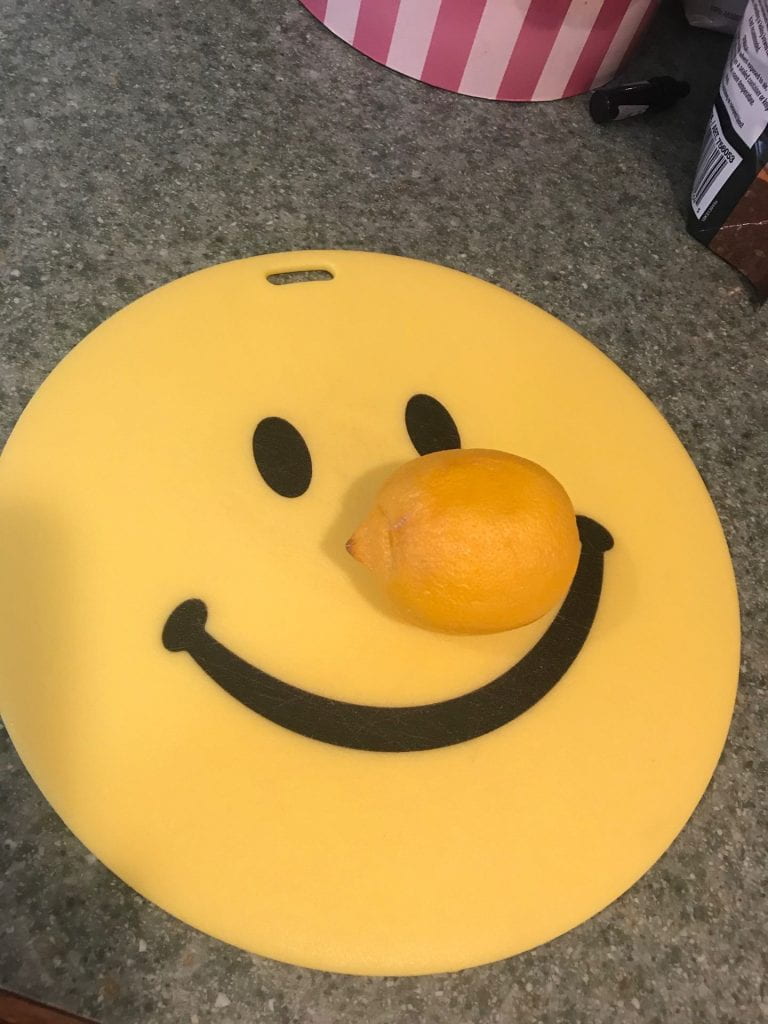
A lemonade-from-lemons moment

Putting together this Mackinac Island puzzle made me feel a little closer to one of my favorite places

Judy made choreg and shared it with me and others

daffodil on MSU’s campus

These beauties were on Alton, close to our house
Poems and other uses of the language
Often, life is right in front of me, jumping up and down, waving her hands about one thing in particular. (yes, life if female — that is, life is filled with new life, life is unpredictable, life is stubborn, life is beautiful, life often has a plan for my life that is different that I had planned…) During National Poetry Month (April), life seems to shout about our use of language. Some may call it synchronicity — the more I focus on language the more language is hard to ignore — others may say, ‘once an English teacher, always an English teacher.’ Add in forced isolation and I’m seeing books I forgot I owned and needed to share some of the good stuff I find. Here are some fun, insightful poems and other observations as I wander 765 Alton and the internet.
ABC
by Robert Pinsky
Any body can die, evidently. Few
Go happily, irradiating joy,
Knowledge, love. Many
Need oblivion, painkillers,
Quickest respite.
Sweet time unafflicted,
Various world:
X=your zenith.
—
by Marge Piercy
Talent is what they say
you have after the novel
is published and favorably
reviewed. Beforehand what
you have is a tedious
delusion, a hobby like knitting.
Work is what you have done
after the play is produced
and the audience claps.
Before that friends keep asking
when you are planning to go
out and get a job.
Genius is what they know you
had after the third volume
of remarkable poems. Earlier
they accuse you of withdrawing,
ask why you don’t have a baby,
call you a bum.
The reason people want M.F.A.’s,
take workshops with fancy names
when all you can really
learn is a few techniques,
typing instructions and some-
body else’s mannerisms
is that every artist lacks
a license to hang on the wall
like your optician, your vet
proving you may be a clumsy sadist
whose fillings fall into the stew
but you’re certified a dentist.
The real writer is one
who really writes. Talent
is an invention like phlogiston
after the fact of fire.
Work is its own cure. You have to
like it better than being loved.
Note: In Fooling with Words, Piercy explains ‘phlogiston’ was a pre-nineteenth-century explanation for why things burned: people said things burned because they contained phlogiston.
Fooling with Words is also a captivating Bill Moyers film and great use of an hour
—–
More Than a Handshake
by Aram Kabodian
In the old country
Your handshake
Was your identity.
Men shook hands
With strength and conviction,
A bond and a test.
Our grandfathers squeezed
With a death grip
And a wink.
That first handshake
Is hard to forget,
More difficult to repeat.
Firm grips were earned.
Long, back-breaking days
Out there doin’ what had to be done.
More than a mere greeting,
That hand extended
Was a challenge;
Look your grandfather’s grandfather’s grandfather
In the eye
And wink.
Feb. ‘99
—–
More Language I’ve noticed lately
Here’s a post-4/20 thought. Remember this song…
Sing a song of sixpence,
A pocket full of rye.
Four and twenty blackbirds,
Baked in a pie.
Coincidence?
——
Ways people communicate with me these days: I need to check my phone messages, email, text messages, Facebook page, Facebook messenger, Marco Polo, and Twitter. There’s zoom, facetime, google hangouts, …does anyone skype? Some people need to check snapchat and instagram too (I’m only a lurker there). I used to check Slack but that was another life. Others are in online forums. I’m sure that I’m missing some newfangled method…Doxy or Fango or Lettermo or ToxicTok. I almost never forget to daily check our mailbox in front of our house.
—
what will we be like after the isolation?
—
If you can’t handle the use of the f-word, skip this video; if you’re okay with…enjoy a few laughs.
One of my favorites videos we've made "CUTE HOUSE" -Dress Up Gang -Frankie Quinones – Brent Weinbach
Posted by Donny Divanian on Tuesday, March 31, 2020
—
Weird Al is still out there doing his literary magic.
—
Here’s a link to one of the books I’m reading; it’s a book of insightful essays by an author I’ve come to love (Brian Doyle).
—
Here’s someone who knows how to use the language: Colbert.
Learn How To Juggle
First, watch the video.
Then, practice juggling (re-watch the video as needed).
Finally, juggle as often as possible. It’s like learning to speak a language or getting better at playing a game (chess, for example). The more you do it, the better you (or at least most people) will get at it. What I don’t say in the video is that after awhile you’ll find that juggling is meditative. While at first it’s frustrating, over time it becomes calming. Enjoy!
March Photo Album
 Puzzling together
 Relaxing
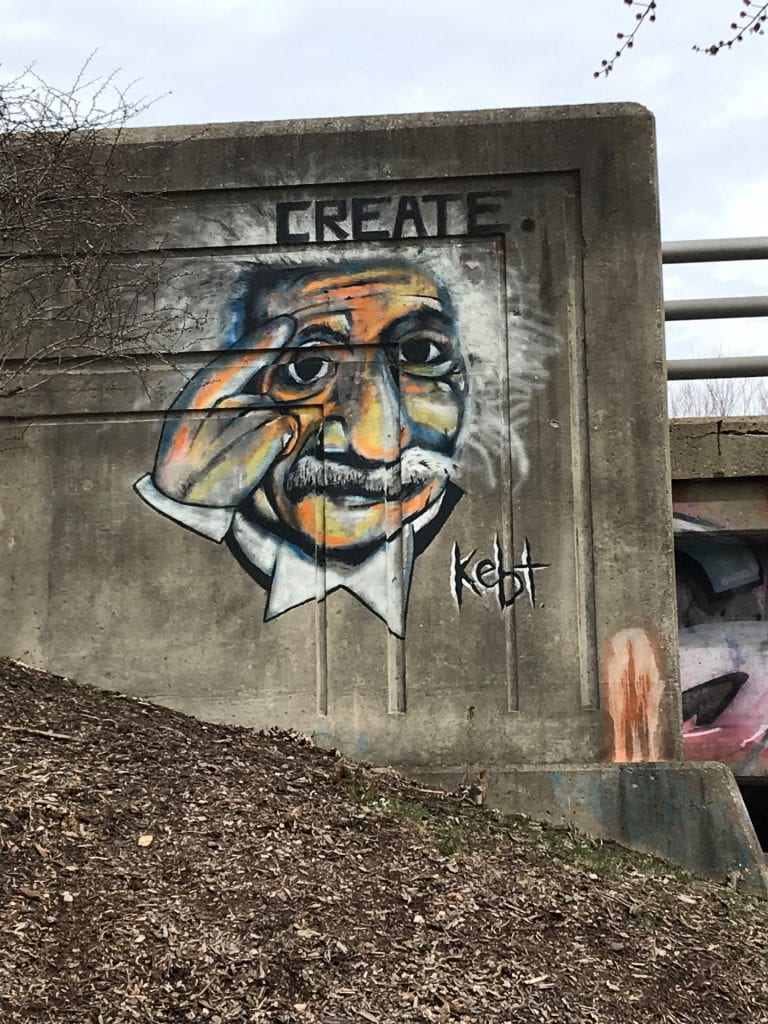 Bogue Street Bridge, MSU
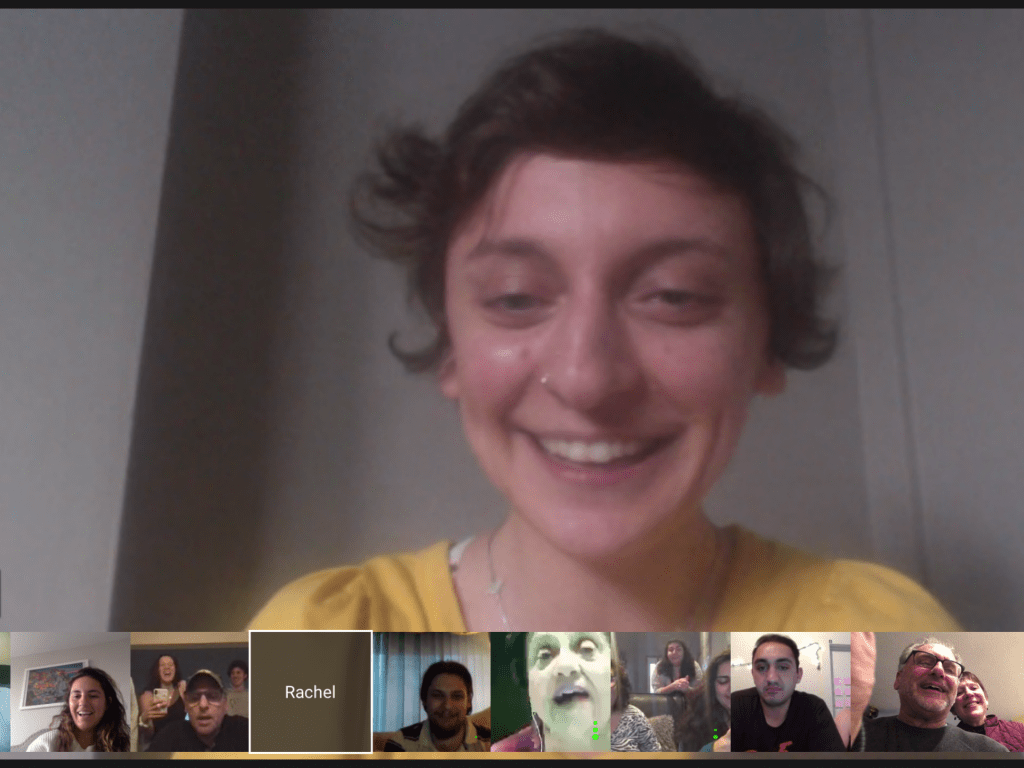 Isn’t she lovely! Happy Birthday, Rachel
 Happy Birthday Mom (google hangout)
Our new pets —
 Tiny,
Tiny,
 Ringo,
 Fluffy
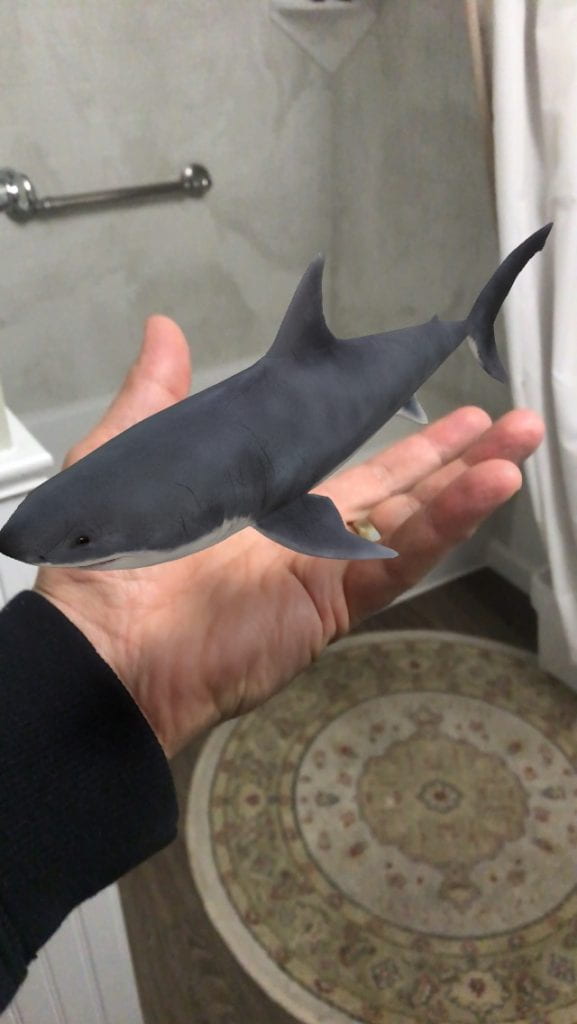
did you ever learn something new
and just want to do it over and over?
(google 3D animals were like that for me)

we’re all doing the best we can

lilac breasted roller at Patriarche Park
.
.
.
.
.
APRIL FOOL’S!
That last one is from Zambia. I found it in a New York Times photo essay.
I Want to Get Away
Years ago, my fishing buddies and I created this mash-up of a song. I started singing it again today — a couple weeks into this virus lock down.
* Note: Every time the lyrics change, you need to start singing the new song tune…
It starts with Lenny Kravitz’ “Fly Away” then to Steve Miller band’s “Fly Like an Eagle” and so on.
I want to get away
I want to fly
like an eagle
to the
CC Rider
Riders of the storm
into this world were
Born to be wild
Born to be
Wild thing
You make my heart
Singin’ in the rain
I’m singin’ in the rain
Purple Rain
Purple Rain
(there may be more but I can’t remember it)
Here’s an audio version…
I share this because though ‘I want to get away,’ I am staying home. I do feel like I’m bopping from one thing to another, having trouble going deep into anything (writing, episode-watching, reading, gaming…). This memory reminds me of carefree times and I hope to get on the river again this summer, but I’m taking every precaution at this point. I pray that you will also. We can limit the severity of this virus if we work together.
Coronavirus update
BEST SUMMARY VIDEO: Trevor Noah interviews Dr. Fauci
The numbers of people with Coronavirus in the country exceeded 100,000 recently. The toll this virus is taking on health professionals is tragic. While some news agencies just focus on the dumpster-fire, others share the personal and economic costs Americans are experiencing.
Here’s one of the more compelling personal stories
Fun stuff on the internet:
* 50 Bird Species and the Sounds They Make
* Universal Studios “Free” Photo Booth, “Can’t Stop Laughing”
(this one opens in Facebook)
* An artist takes a trip to Estonia and comes away with insights about the country and Brexit
* I was going to discuss how many sheets of toilet paper one should use for #1 vs. #2, depending on your gender…but instead, just watch these guys and their alternatives to toilet paper.
Movies we have seen so far:
* Young Sherlock Holmes – We saw it on Criterion, but you can also see it on YouTube TV and Vudu. Directed by Stephen Spielberg, this 1985 flick was much better than I expected. The music and a few of the scenes reminded me of Indiana Jones, Star Wars, E.T., and even Harry Potter for some reason.
* On the Basis of Sex
* RBG
* Amelie
* Hugo
* Moulin Rouge
* Manhattan
* Mrs. Doubtfire
Every once in awhile Robin Williams re-enters our lives. His daughter, Zelda, posted this photo of them on her Twitter feed. And one thing led to another and we enjoyed his humor again last night.

Some of the shows/series we have watched (and where we found them)
* The Marvelous Mrs. Maizel (Amazon Prime)
Here’s the Maizel cast interviewed if you need another fun thing
* The Crown (Netflix)
* Outlander (Starz)
* Schitt’s Creek (Netflix)
* Ken Burns’ Baseball (PBS)
* Mark Maron’s stand up called “End Times Fun” (Netflix)
* a few Sherlock Holmes episodes on DVD (PBS version with Jeremy Brett)
Some Teaching and Learning Resources
* Bound to Be Bound Resources for Homebound or Home Schooled Students
* A list of authors and illustrators doing online storytime
* Virtual Tours of 12 Famous Museums
* A Zoom conference called “Moving Online”: Critical and Creative Teaching in Response to the COVID-19 Crisis led by my friend and mentor, Dr. Troy Hicks
Re: what else I’m doing…
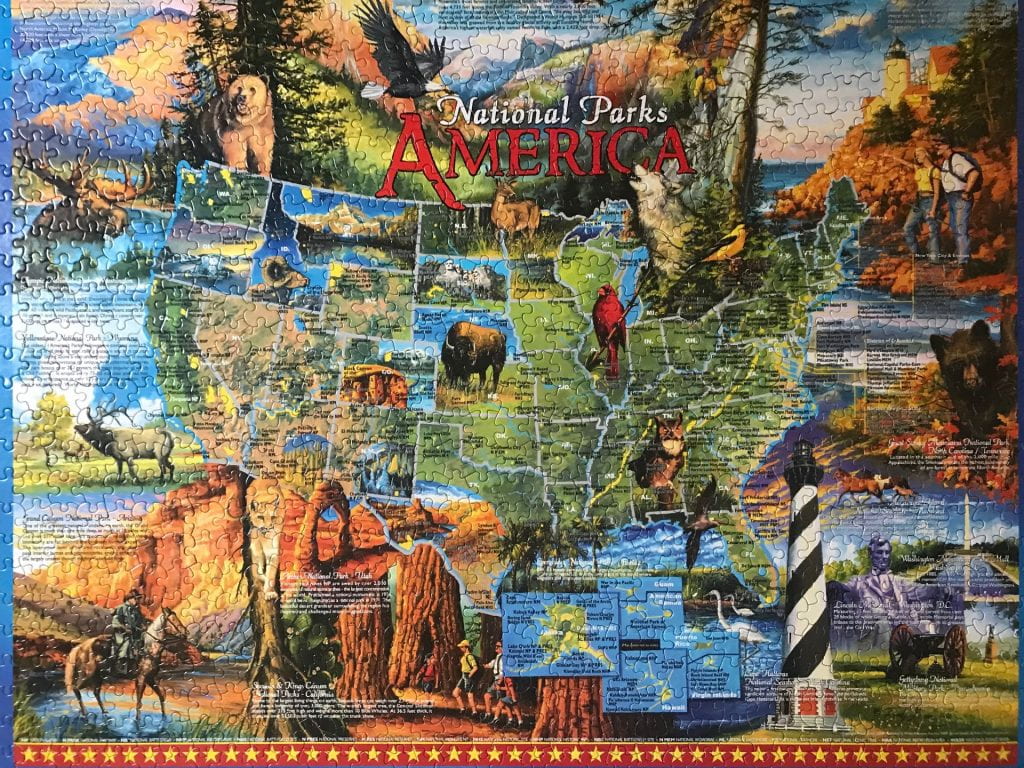
We just finished our second puzzle. I liked several things about it: the reminder that we have so many National Parks and Monuments waiting for us to visit; the information about the parks was interesting (and helped when placing pieces); getting reacquainted with the location of the parks (because I love geography); and the vibrant colors of the puzzle. We are starting another puzzle today.
I’m reading a few things of course: The Sun Magazine (and old copies that I didn’t finish); listening to Trevor Noah read his book, Born a Crime; Jesus and the Disinherited by Howard Thurman (our men’s book group book); Lent 2020, Christ Is for Us by April Yamasaki; and several books of poems (In the Corner of the Living by Janine Certo; Tunsiya/Amrikiya by Leila Chatti; and E-mails from Scheherazad by Mohja Kahf)
I’m writing two books right now. My book of poems was coming along slowly until this isolation set in. Now, I have collected in one document all the poems I’m currently planning on using. I need to revise about a third of them and pass the whole collection by the members of my writing group (and by Judy). Here’s a glimpse at the list of poems I have included thus far:
A Hope Unspoken
First Teacher
Baboo Godoshian
Berube
Test Driving a Hearse
Another Day
Clara was a Tiger
Praise for Anonymous
Dad
Reflecting
Language Lover
In a Democrat’s Car
Open Sky
How You Know You’re in the Northwest
Instead, at 6:30 am
BRF is Not Me
Birth of a Poem
This photo
Opening a Pomegranate
My Brainmind
Poem for Today
Too Still, Too Small
Bob Skinny
Guilt
Why We Are All Not Jesus
Ultimately
If Life is Baseball
Cats
In Love
What Will Happen
I will hopefully be self-publishing them at MSU’s Publishing Service…when it re-opens.
I’m co-authoring a book for teachers also. Kristine Brickey and I are writing a book called Lower Your Expectations: A Teacher’s Survival Guide. Much of it is written; we are tweaking it and hope to have it out in some form by the end of the year. Here are the current chapter titles:
Lower Your Expectations: A Teacher’s Survival Guide
Table of Contents
Prologue: Let’s Get Real
Chapter 1: It’s Not Time to Panic…
Chapter 2: Teachers Need Naps, Too
Chapter 3: Your Expectations are Too Damn High!
Chapter 4: Teaching ‘Then’ vs. Teaching ‘Now’
Chapter 5: When To Bitch and When Not to Bitch
Chapter 6: Honesty and Parent-Teacher Conferences
Chapter 7: Why Won’t You Let Us Teach?
Chapter 8: Now is Still Not the Time To Panic
Chapter 9: So What’s in Your Toolbox?
After reading all of that, I seem busy (even to myself). I don’t feel busy. I was just telling our son, Aaron, this morning how I enjoy the pace of my life. Yes, it has slowed lately, but even before our virus precautions, I have a blessed pace to my life. I’m aware that this life I lead is a privileged, white male life in a prosperous country…and I do my best to use my life for good.
P.S. Zoom dance parties are fun, too!
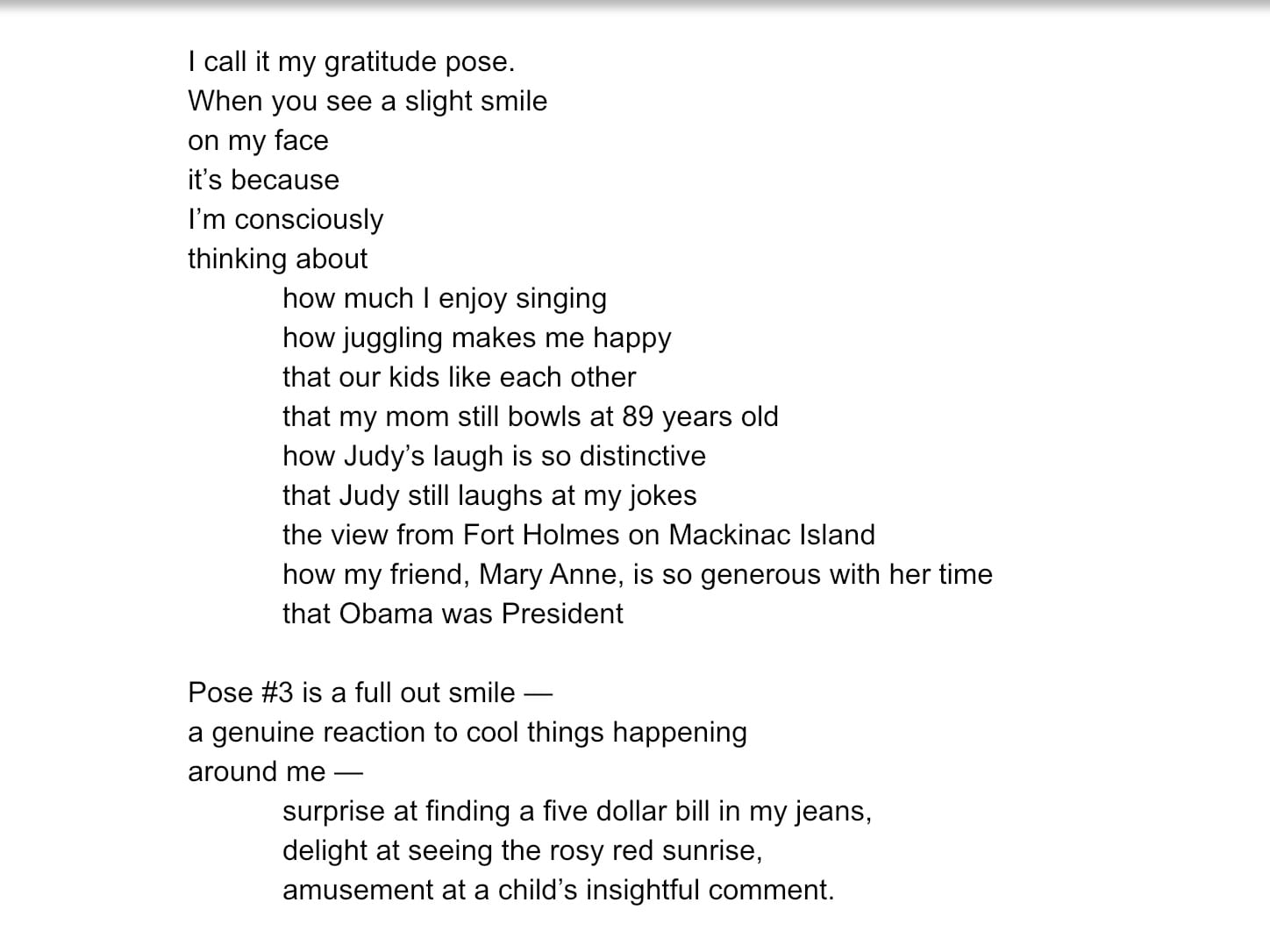
My Faces to the World




—
Other semi-related thoughts:
Here are a couple smile-inducing videos:
Jacqus Tati and Where to Find Visual Comedy —
(I was clued into this guy by reading Ken Jennings book, Planet Funny, which I recommend)
Census Taker vs. Old Lady (Betty White), SNL